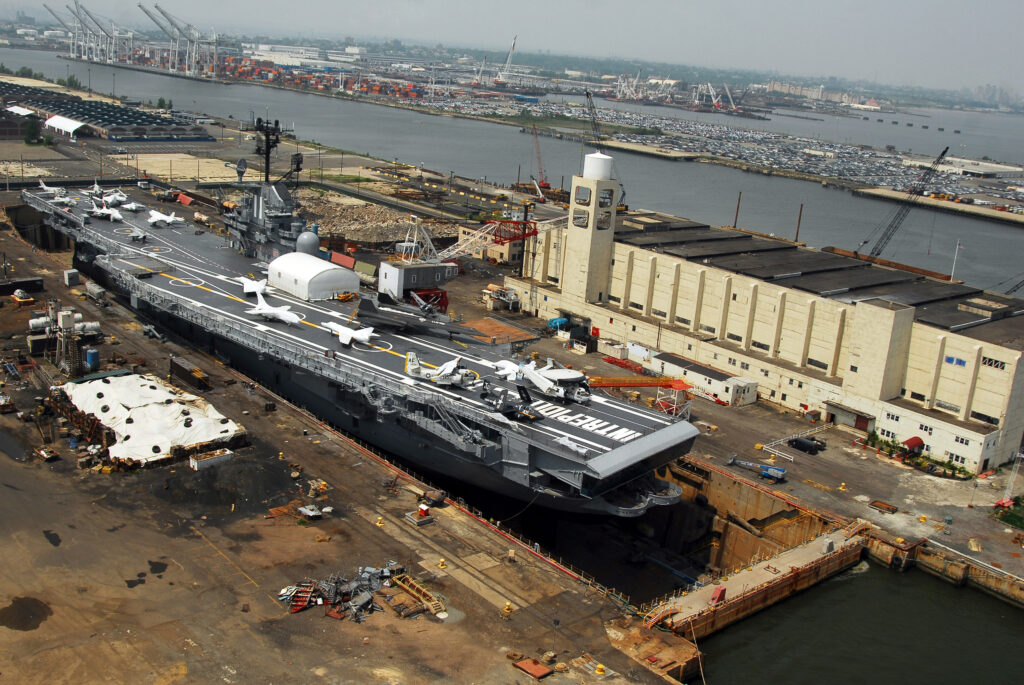
A hull-inspection recording has to show the antifouling coating, the sacrificial anodes, and the intakes or sea chests, and it has to leave a mark—plating marks or a logged station—that someone can find again later. A glance that drifts along the shell with no steady distance, no timestamp, and no position is not that record. Where a classification rule you can open requires an in-water survey under a surveyor with a diver (or an approved firm’s ROV under that surveyor), a consumer video is not a substitute; this article treats the recording as evidence of what the camera saw, not as a class certificate.
Answer box
- Right for this job: A camera pass that holds a usable standoff, lights coating and anodes, frames intakes, and tags time plus a way to relocate the frame on the hull (Lloyd’s Register in-water survey text, opened 29 September 2026, expects orientation methods, including permanent plating marks where needed).
- Wrong for this job: Filing a drifting glance with no time and no position as the inspection record, or claiming the clip replaces a class in-water survey.
- The number that decides it: Not applicable as a single standoff or wastage percentage—those figures were not taken from a loaded page here; what decides the record is whether subject, distance cue, timestamp, and hull location can be recovered later.
- What the spec leaves out: Housing depth rating does not say how clearly an anode appears; the BlueROV2 operating guide (opened 29 September 2026) separates Manual, Depth Hold, and Position Hold rather than promising a survey package.
- Check before you rely on it: Confirm the survey page you cite lists paint/coating, anodes or cathodic protection, and sea chests or hull openings, and that your file embeds time and a position or mark reference.
- Last checked: September 29, 2026
What the camera pass is building on the hull
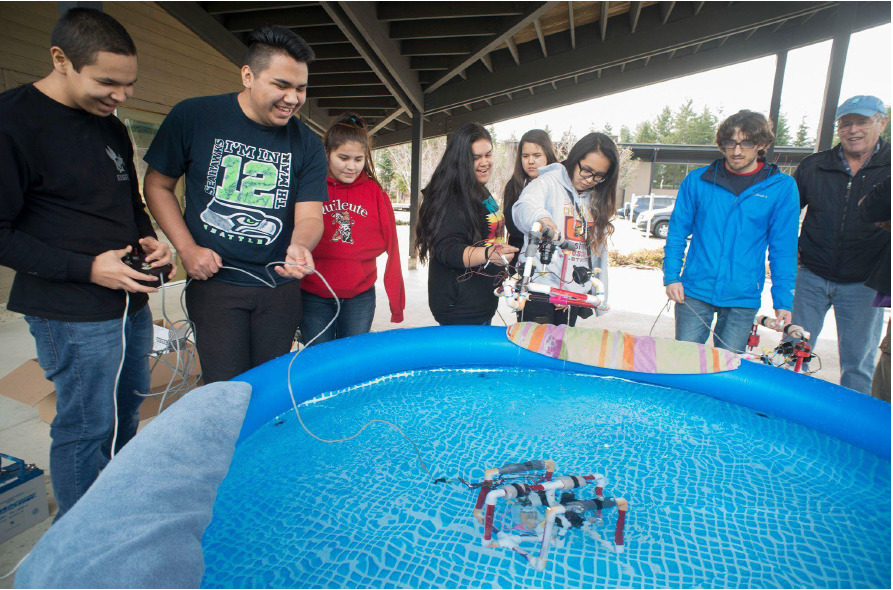
On a small inspection ROV the useful tools for this job are the forward camera, the thrusters that hold a path, and the lights (the BlueROV2 operating guide’s pre-dive checks call out camera tilt and lights before launch). The pass is a sequence of frames that must still make sense when someone who was not piloting opens the file later.
Antifouling is the coating system meant to limit growth on the underwater hull. IMO’s 2011 biofouling guidelines (MEPC.207(62), opened 29 September 2026) describe anti-fouling coating systems as the combination of component coatings on the hull, note that in-water inspection can examine anti-fouling condition and biofouling status, and list sea chests among niche areas that accumulate growth. A pass that never frames an intake grating is therefore incomplete as a visual record of the underwater body.
Anodes are the sacrificial pieces of cathodic protection. UK MCA MGN 546(M) (opened 29 September 2026) states that the hull is to have an approved or acceptable cathodic protection system and that anodes or components are to be renewed and/or checked for effectiveness; unless the surveyor directs otherwise, the diver’s report is to cover plating and paint and to include hull openings and sea chests. A recording aimed at the same job must show those anodes close enough that depletion or missing blocks can be discussed later.
Lloyd’s Register’s bottom and in-water survey text (Part 1, Chapter 3, Section 4, opened 29 September 2026) lists sea chests, sea connections, and inlet gratings among dry-dock bottom survey items and states that an in-water survey is to provide the information normally obtained from that bottom survey. Framing the grating and surrounding shell is part of matching that scope in pictures.
A glance is a short, unstabilized sweep past coating and anode edges. A steady pass is different. On the BlueROV2 guide, Manual Mode sends stick commands with no stabilization, heading hold, or depth hold; Depth Hold Mode holds depth unless commanded otherwise and stabilizes roll and heading when not turning. Comparable frames of the same anode later need similar standoff and attitude. A timestamp is what makes before-and-after arguments possible. Rated housing depth only says how deep the vehicle may go; it does not decide whether the anode face is readable.
The mark that must be found again is any durable reference—weld seams, bilge-keel ends, painted stations, or chainage from a known fitting. Lloyd’s Register’s in-water survey text says the surveyor must be satisfied with orientation methods on the plating and that permanent markings at selected points should be used where necessary. A clip with no such reference and no log of where along the hull the camera was cannot be matched to a later visit.

How a hull pass fails differently from a dam job
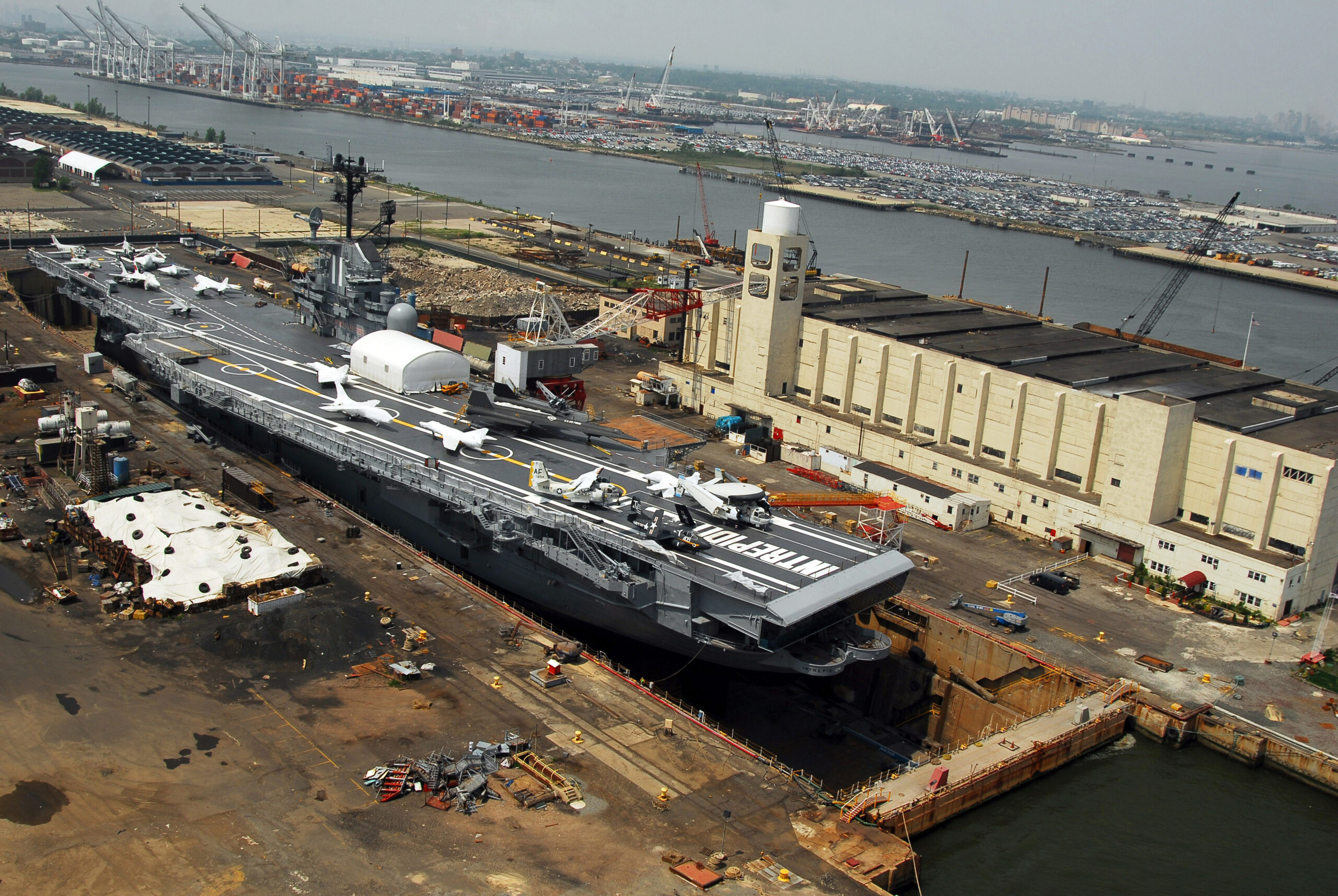
What changes when the same vehicle inspects a dam instead of a hull is the reference frame. On a hull the references are the shell, the anode, and the intake; failure means you cannot say which panel a defect sits on, or you cannot read coating from a murky blur. This article does not describe dam procedures—that belongs under the sibling title “What changes when the same vehicle inspects a dam instead of a hull.”
A video with no position is weak evidence because a hull is long and repeating. Without a station log, a positioning fix, or a permanent plating mark in frame, similar anode clusters cannot be told apart months later. The BlueROV2 guide lists Position Hold as a separate mode that requires a positioning system; Depth Hold is not the same as knowing where you are along the ship. Without position, the file shows something existed in front of the camera—it does not prove which frame of the vessel it was.
Compared with “When an underwater job needs sonar, a camera, or both”: a sound picture can outline structure in poor visibility, but it does not confirm coating or anode condition the way a close, lit camera frame can. The pages opened here describe visual and surveyor/diver examination of paint, plating, and fittings; they do not replace that visual check with sonar alone.

What you can verify before you trust the file
On the recording, check four things: the subject is clearly coating, anode, or intake; there is an approximate distance cue; a timestamp is present; and there is a way to say where along the hull the frame sits. A catalog photo of a clean hull is not a record of this hull.
Pages opened on September 29, 2026:
- https://imorules.com/LRSHIP_PT1_CH3_4.html — Lloyd’s Register: sea chests and inlet gratings; antifouling examined when systems are changed or heavily repaired; in-water survey under surveyor surveillance; orientation including permanent plating marks; qualified diver from an LR-approved firm, with ROV possible for certain aspects through that firm.
- https://assets.publishing.service.gov.uk/media/5e4d50bde90e074dc98071fa/MGN_546_IWS_-_Final_March_2017.pdf — MGN 546(M): cathodic protection and anodes checked for effectiveness; paint; diver reporting on plating, paint, openings, and sea chests.
- https://wwwcdn.imo.org/localresources/en/OurWork/Environment/Documents/RESOLUTIONMEPC.207%5B62%5D.pdf — IMO MEPC.207(62): antifouling and biofouling; in-water inspection; sea chests as niche areas.
- https://bluerobotics.com/learn/bluerov2-operation/ — BlueROV2 guide: Manual versus Depth Hold versus Position Hold (positioning system required).
An IACS UR Z3 landing page was opened the same day, but the PDF body did not load, so no detailed UR Z3 claims are used here.
Decide before you put the vehicle in the water
If you cannot hold a steady distance and log time and position (or an equivalent relocatable mark), do not treat the clip as the inspection record—call it a scout run. Move the support boat or adjust tether slack only as the choice that keeps the vehicle on the hull path; do not invent a tether length. If the water is too dirty to identify coating or an anode, the camera pass is the wrong proof until you can see the subject; that murky-water problem belongs in a read-next sibling rather than being restated here.

One sourced fact that stays on the page
Lloyd’s Register’s in-water survey text (opened 29 September 2026) states that the survey runs under surveillance of a Surveyor to LR, that visibility and hull cleanliness must allow the Surveyor and diver to determine plating, appendages, and welding condition, and that orientation methods on the plating—including permanent markings where necessary—must satisfy the Surveyor. The BlueROV2 guide states that Position Hold requires a positioning system, while Depth Hold holds depth and heading aids without that claim. Together those lines explain why a timestamped, mark-oriented, distance-stable camera pass is the minimum visual evidence worth filing—and why a video with no position is weak when someone must return to the same anode or intake.
The mistake that turns a scout clip into false comfort
The harmful mistake is filing a drifting glance with no timestamp and no position as if it were a hull survey, or telling an owner that a consumer ROV video replaces a class in-water survey. The Lloyd’s Register page opened here requires surveyor surveillance and a diver from an approved firm for the in-water survey (with ROV only considered for certain aspects through that arrangement). This site is an independent guide: the recording can document what the camera saw; it is not offered as a legal substitute for that survey process.
Read next
What changes when the same vehicle inspects a dam instead of a hull