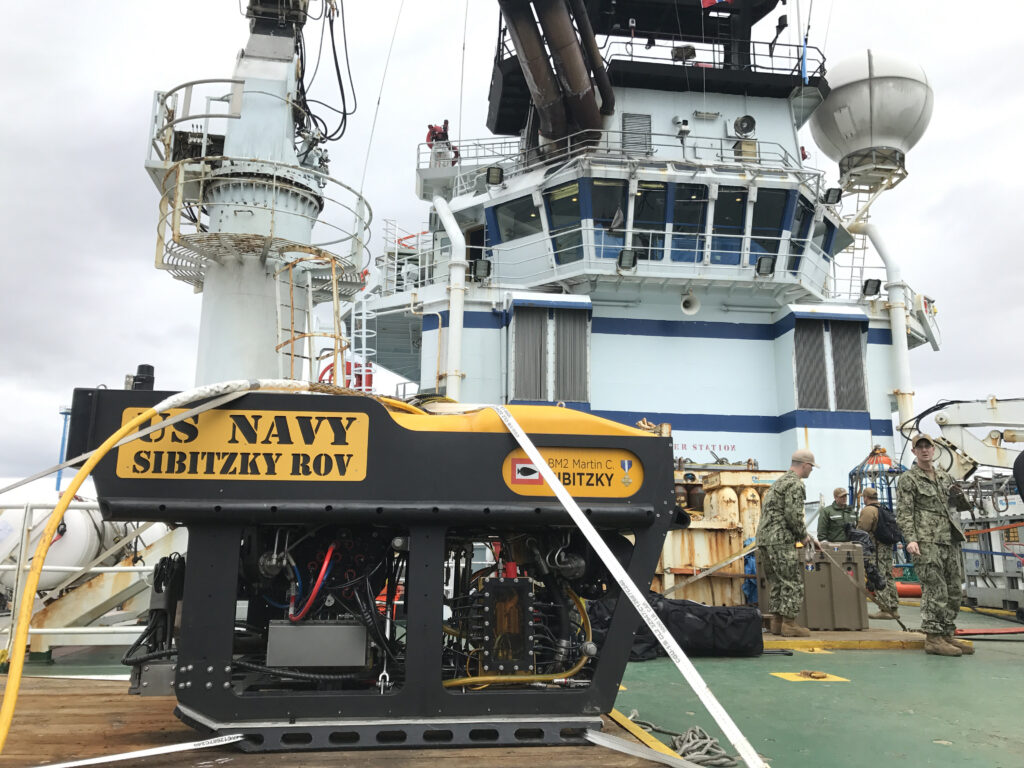
The tether has to be longer than the water depth because the path from the boat to the vehicle is not a straight line down. Before the boat leaves, the real decision is whether to carry more tether for that job’s horizontal run, drift, and recovery slack—or to move the boat so those extras shrink. Copying the vehicle’s rated depth, or one length meant to cover a marina drop, a dam face, and a net pen alike, is the wrong tool.
Quick answer box
| Right for this job | A tether length planned from the pieces the maker names—depth, horizontal travel, current drift, and slack—checked against the lengths actually sold for that product line, not a depth rating alone. |
| Wrong for this job | Treating rated enclosure depth as cable length, or picking one spool size as if a short marina drop and a long wall or pen run were the same geometry. |
| The number that decides it | Not applicable as a single published length. The deciding inputs are your straight-down depth plus the horizontal path, drift, and slack your job will need; the maker does not put those site numbers on the box. |
| What the spec leaves out | Your boat position relative to the work, how far the vehicle must travel along a wall or around a pen, how the tether will drift, and how much free line you need to recover without snagging. |
| Check before you rely on it | Blue Robotics BlueROV2 Buyer’s Guide and BlueROV2 Operation pages: length is not depth; product length ranges; do not deploy excess tether; spool guidance if you carry long cable. |
| Last checked | September 29, 2026 |
What the cable is actually connecting
On a typical small inspection ROV such as the BlueROV2, three things share the work: the vehicle in the water, the boat (or dock) that holds the pilot and the surface gear, and the tether that links them. The BlueROV2 Buyer’s Guide states that radio waves do not travel far through water, so a physical tether is required for communication. That sentence is why the cable exists at all. It is also why “wireless range” fantasies do not replace a length estimate before launch.
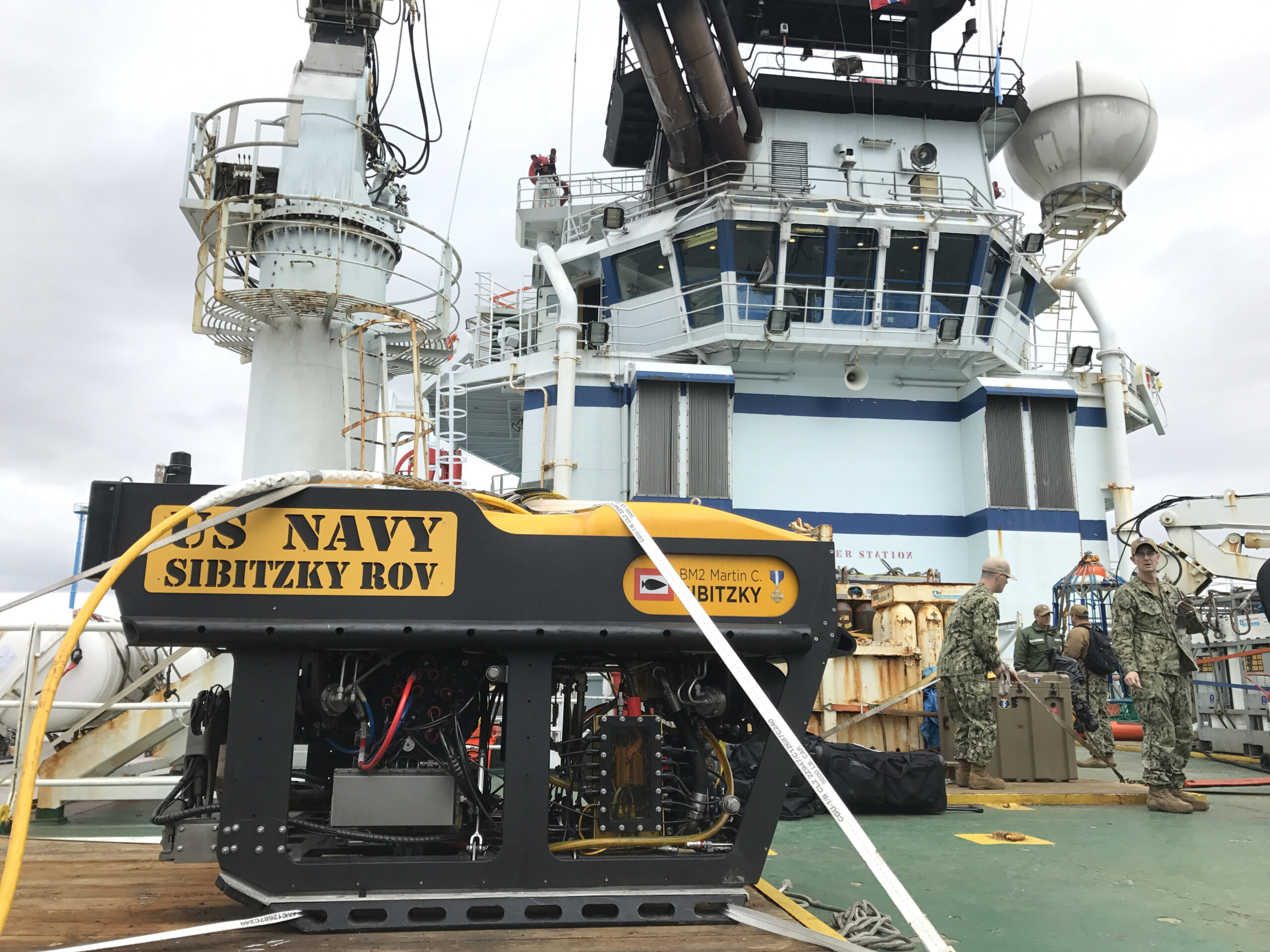

The same guide is explicit that tether length does not translate directly into maximum operating depth. The cable has to reach a point that is down, out from the boat, and moving. Horizontal travel, current drift, and a bit of slack so the vehicle can maneuver are named as reasons you need more tether than the target depth. Those are pieces of a job estimate, not a multiplier published for every dive.
Rated depth of the housing is a different number. On the BlueROV2 product page, acrylic tubes are listed at 100 meters depth rating and aluminum tubes at 300 meters. That is how deep the enclosure is rated to survive pressure. It is not how many meters of tether you should buy, cut, or pay out. Confusing those two numbers is how teams leave the dock with a cable that matches the brochure depth and still cannot finish a lateral inspection.
Extra line already in the water is not free insurance. The BlueROV2 Operation guide’s tether-management section says not to deploy too much tether, because excess tether in the water adds drag and creates more chances for the line to catch on something. The estimate you make before the boat leaves is therefore a planning length for what you may need to reach and recover—not a license to dump the whole reel over the side.
Why a marina drop is not a dam face or a net pen
Geometry changes the tether problem even when the vehicle stays the same. A short marina drop under the hull or along a dock face often keeps the boat nearly above the work. Depth still matters, and you still need slack and room for drift, but the horizontal run can stay small if the boat can sit over the target. Failure modes tend to be about fouling on props, dock piles, and bottom clutter when too much line is out—not about climbing an entire wall away from the launch point.
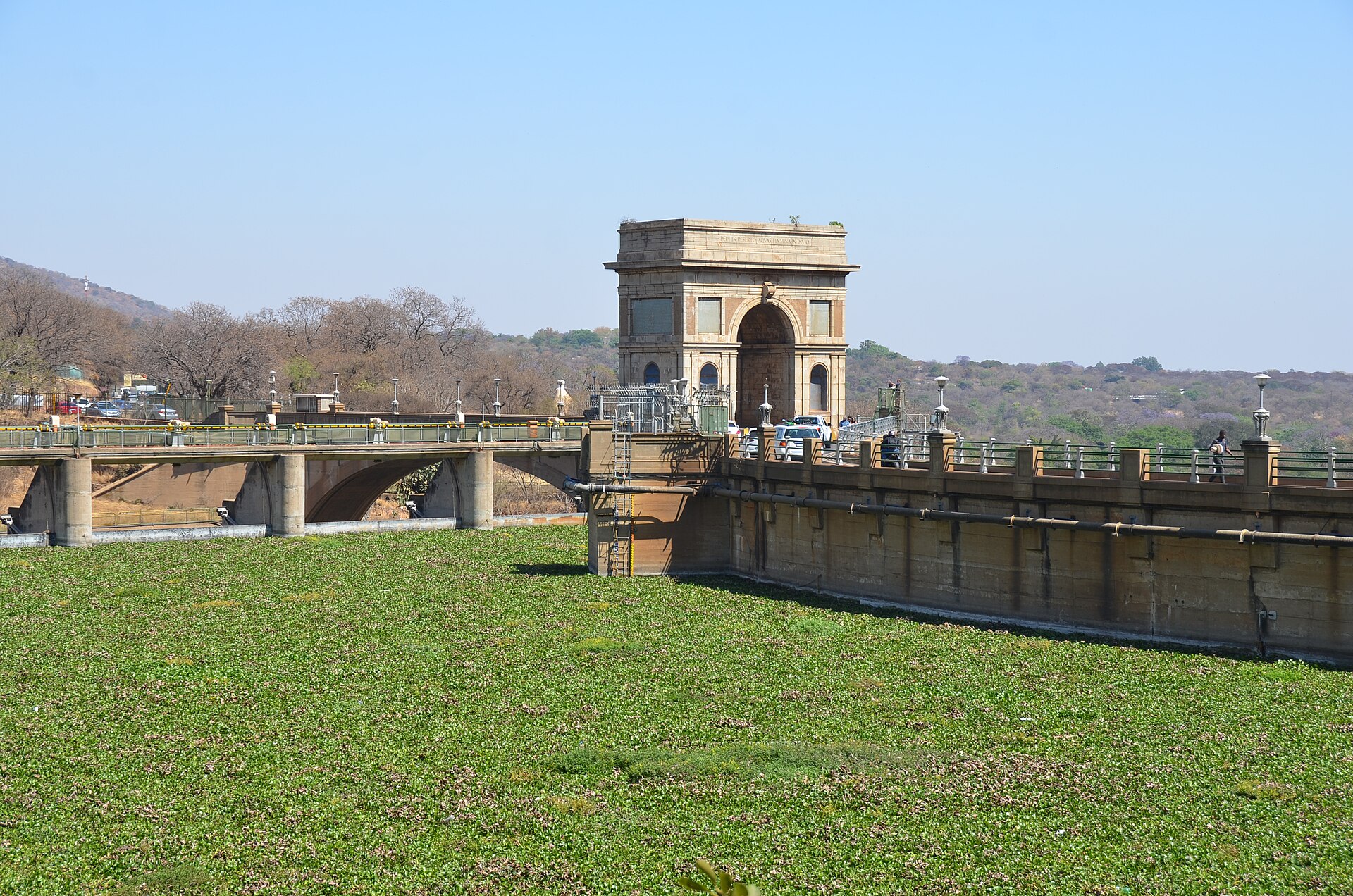
A dam face is a different shape. The work can sit far below the crest while the inspection path runs along a near-vertical surface. The boat may not be able to sit directly above every square meter you need to see. Horizontal travel along the face becomes a first-class length demand, separate from the straight-down depth reading on the depth sensor. This article is not a procedure for entering a closed dam or any restricted structure; it is only a comparison of why the same vehicle needs a different tether plan when the path is along a wall instead of under the boat.

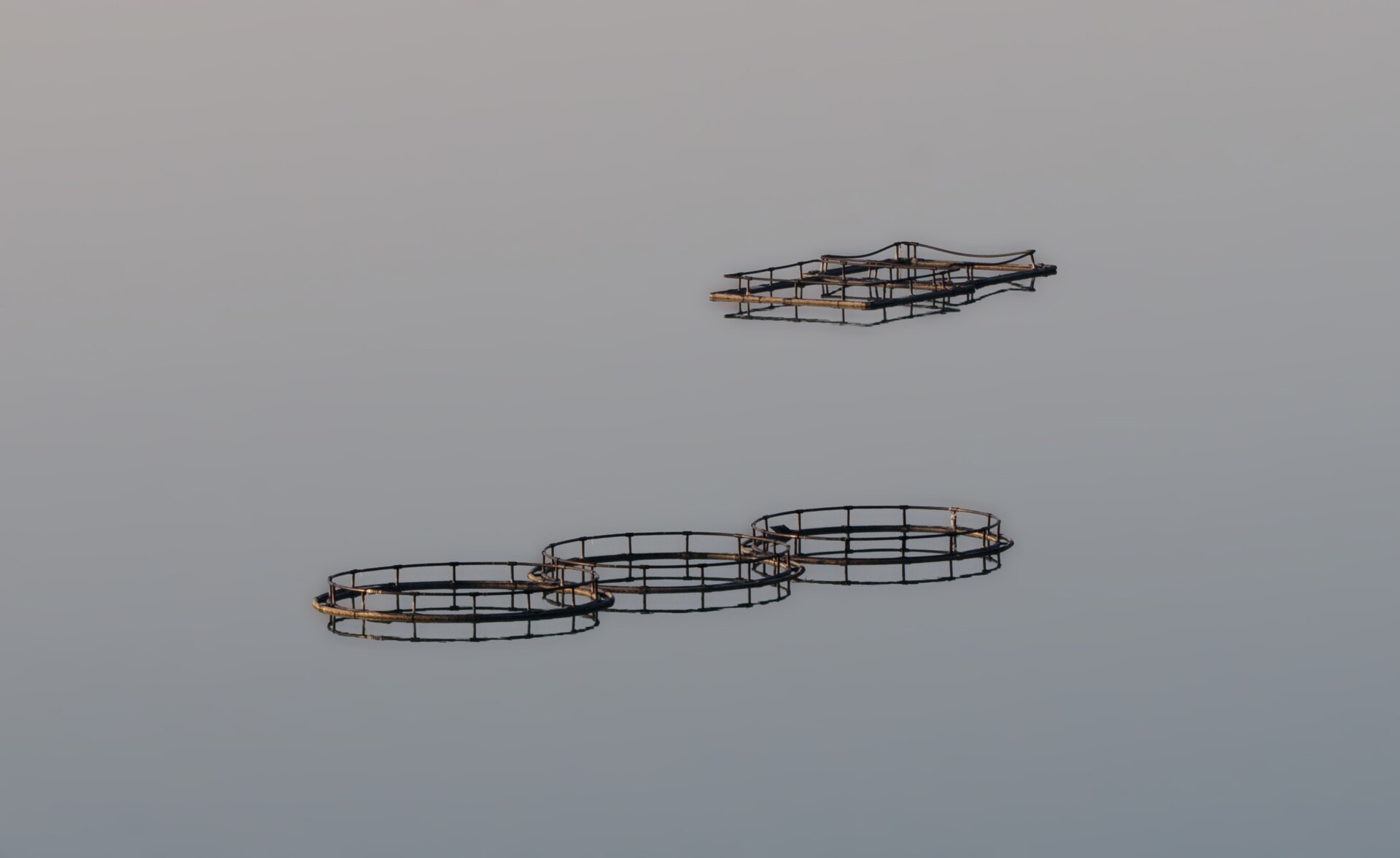
A net pen adds another geometry: a wall of netting, mooring lines, and a perimeter the vehicle may need to follow. Here the tether is not only covering depth and drift; it is threading a workspace full of snag points. The BlueROV2 Buyer’s Guide’s aquaculture notes describe ROVs inspecting nets, moorings, and pens as diver alternatives. That is useful context for why the cable path matters. It is not stocking advice, drug guidance, or a treatment protocol—only a reminder that a pen is a snag-rich cage of lines and mesh, not an open marina drop.

Read next (plain text titles, not assumed live pages): What changes when the same vehicle inspects a dam instead of a hull. Where an ROV fits on an aquaculture pen.
Horizontal travel along a wall or around a pen is not the same problem as a drop under the boat. If you only measure depth, you have measured one axis of a three-dimensional link. The Buyer’s Guide already separates those axes when it lists horizontal travel and drift beside depth. Your job decides how large each piece is. The product catalog only tells you which cable lengths exist to choose from once you know the job.
Pages to open before you trust a length
On September 29, 2026, this article’s numbers were checked on two Blue Robotics pages that anyone can open:
- https://bluerobotics.com/learn/bluerov2-buyers-guide/ — BlueROV2 Buyer’s Guide
- https://bluerobotics.com/learn/bluerov2-operation/ — BlueROV2 Operation
On the Buyer’s Guide, look for the sentence that tether length does not directly translate to maximum operating depth, and for the product length ranges: standard tether communication up to 300 meters, with lengths from 25 to 300 meters; slim tether about 4 mm in diameter, lengths from 50 meters to a maximum of 200 meters, called out for less drag in current. Spool guidance on the same page still recommends a tether spool for lengths over 50 meters; the standard spool is described as holding up to 150 meters of standard tether or 200 meters of slim, with a large spool for longer standard cable. The Outland Technology surface-power option uses its own tether—do not mix that with the Fathom length menu as if it were the same product.
On the Operation guide, look for the tether-management warning not to deploy too much tether because excess line adds drag and snag opportunity. Also note the flight-mode distinction: depth hold keeps depth; position hold requires a positioning system. Depth hold is not a substitute for having enough cable to reach the work, and position hold does not invent tether you left on the dock.
What those pages leave out is your drift and your horizontal run. Catalog lengths and communication maxima are product facts. They are not a survey of your marina, dam face, or pen. A 300-meter communication ceiling is not a recommendation to buy 300 meters for every dive. It is an upper bound on one tether family’s stated communication distance.
Carry more cable, or move the boat closer
Once depth, horizontal travel, drift, and slack are on the table, the operational decision before the boat leaves is simple in form and hard in the field: carry more tether than the straight-down depth for that job, or move the boat so the horizontal run shrinks. Moving the boat is often the cleaner answer when a long wall or pen perimeter would otherwise force a very long free length through the water. Carrying more tether is the answer when the boat cannot get closer—when mooring limits, traffic, or structure keep the launch point fixed—and the job still requires reach along the face or around the cage.
If the only number you have is the rated depth of acrylic or aluminum tubes, you do not yet have a tether estimate. You have a pressure rating for the housing. Add the path pieces the Buyer’s Guide names, then choose among the lengths that product actually sells—or change the boat position so a shorter sold length can cover the revised path. Do not publish, buy, or brief one length as if it fit every marina drop, every dam face, and every net pen.
Flight modes do not erase the decision. Depth hold can hold a depth once you are there; it does not stretch a short cable along a wall. Position hold, where a positioning system is installed, can help the vehicle stay put, but the Operation guide still tells you not to leave excess tether in the water. The safe estimate is enough reach with managed payout—not the whole spool because more line felt safer.
One sourced line that sets the pieces
The BlueROV2 Buyer’s Guide, checked on September 29, 2026, states that tether length does not directly translate to maximum operating depth, and that you always need more tether than the target depth to account for horizontal travel, current drift, and a bit of slack so the ROV can maneuver. On the same page, standard tether is described with communication up to 300 meters and available lengths from 25 to 300 meters; slim tether is described as 4 mm in diameter, available from 50 meters to a maximum of 200 meters, with less drag in current called out as the reason to choose it. Those are the maker’s named pieces and the sold length menus—not a single formula that outputs one length for every job, and not a claim that the communication maximum is the length you should buy for every dive.
The mistake that looks like thrift or safety
The harmful mistake has two faces that both fail the job. One is cutting or buying a tether equal only to the rated depth—matching 100 meters of cable to a 100-meter acrylic rating, or 300 meters of cable to a 300-meter aluminum rating, as if depth rating were path length. The other is dumping the whole spool into the water because more line felt safer. The Operation guide is direct: do not deploy too much tether; excess tether in the water adds drag and opportunity for the line to catch. Either mistake can strand an inspection that a job-specific estimate—more tether than depth, or a closer boat—would have finished.
Read next: What changes when the same vehicle inspects a dam instead of a hull. Where an ROV fits on an aquaculture pen.